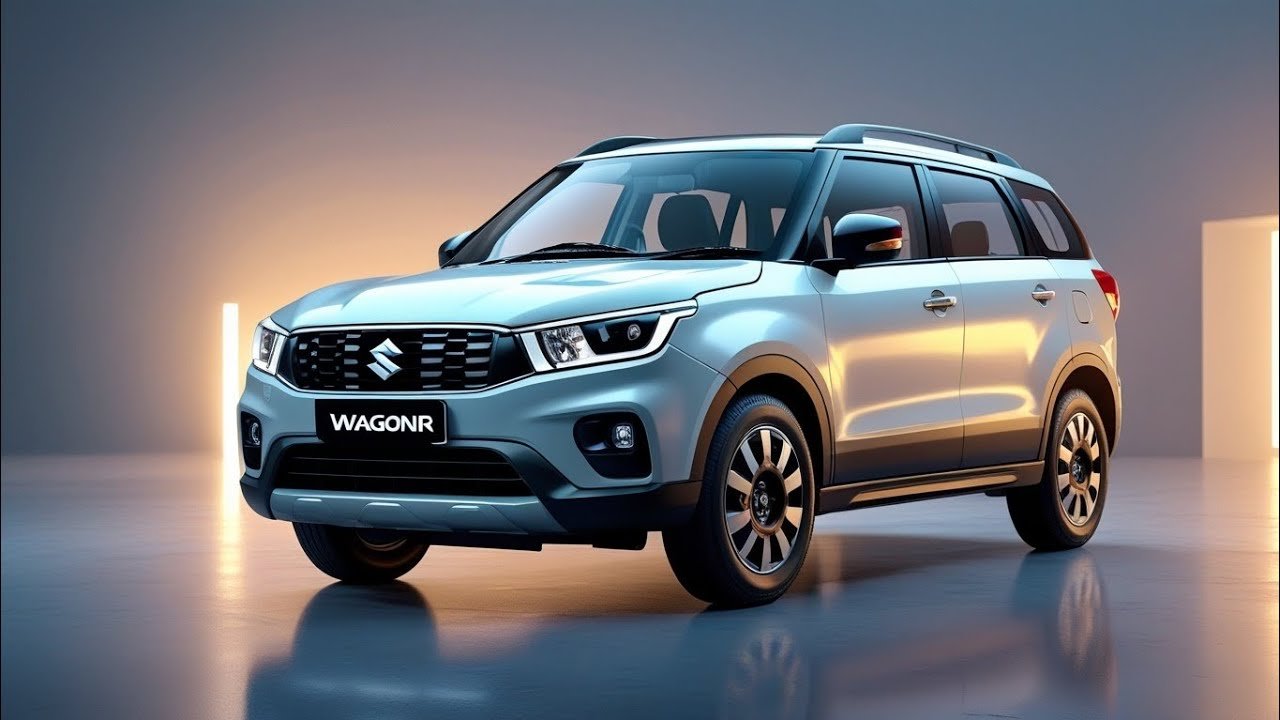
Indian families, buying a car is rarely just about looks or engine power. A family car needs to be spacious enough for everyone, comfortable on long journeys, easy to maintain and, most importantly, economical when fuel prices continue to rise. That is exactly why the latest 7-seater family car reports are attracting so much attention.
The biggest talking point is the claimed mileage of up to 32 km/l, combined with a three-row cabin designed to accommodate seven passengers. If the figures and features associated with this model translate into the production version, it could become an interesting option for buyers who want maximum practicality without moving into the expensive premium MPV segment.
The car is being discussed mainly for its combination of seven-seat practicality, fuel efficiency, family-friendly interior space and modern features. However, buyers should also understand that mileage figures can vary depending on the engine, variant, road conditions, traffic and driving style.
A Family Car Designed Around Practicality
The biggest advantage of a seven-seater is obvious: it gives families the flexibility to carry more people without needing a larger SUV.
For Indian households with parents, children and relatives travelling together, a three-row vehicle can make a huge difference. Instead of taking two cars for a family outing, everyone can travel together in one vehicle.
The latest 7-seater concept being discussed follows this practical approach. The exterior is expected to have a modern MPV-inspired design, while the cabin focuses more on usable space than unnecessary styling.
This is important because a family vehicle is used differently from a regular hatchback. It may be used for school runs during the week, shopping trips on weekends and long highway journeys during holidays. A good seven-seater therefore needs to balance comfort, luggage capacity and fuel economy.
32 KM/L Mileage Is the Biggest Attraction
Fuel efficiency is arguably the most interesting part of this story.
A claimed figure of around 32 km/l sounds extremely attractive for a vehicle capable of carrying seven people. The reported figure is generally associated with a hybrid or highly efficient powertrain configuration. Similar online reports describe the vehicle as using smart-hybrid technology to improve fuel economy.
But there is an important distinction between a claimed or test-cycle mileage figure and what drivers experience every day.
Real-world mileage depends on several factors. City traffic, air-conditioning use, passenger load, tyre pressure, road conditions and driving habits can all change fuel consumption. A fully loaded seven-seater travelling through heavy traffic will naturally consume more fuel than a lightly loaded vehicle travelling at a steady highway speed.
For buyers, the 32 km/l figure should therefore be viewed as a headline efficiency claim rather than a guaranteed everyday number.
Even if real-world efficiency is lower, a fuel-efficient seven-seater could still provide meaningful savings for families that travel frequently.
Spacious Three-Row Interior
The interior is another major reason why this type of car appeals to Indian buyers.
The three-row layout provides seating for up to seven people, giving families considerably more flexibility than a conventional five-seater. The second row is particularly important because it is usually where adults spend most of their time during family journeys.
The third row is useful for children, teenagers or shorter journeys, while the folding-seat arrangement can provide additional luggage flexibility when fewer passengers are travelling.
A practical cabin is often more valuable than a flashy interior. Families need enough storage spaces for bottles, bags, mobile phones and other everyday items. They also appreciate rear air-conditioning, charging points and easy access to the third row.
Reports surrounding the updated seven-seater model mention features such as rear AC vents, modern infotainment, multiple charging options and improved cabin comfort.
Modern Features for Everyday Driving
Today’s family-car buyers expect more than just seats and an engine.
A modern 7-seater needs to provide technology that makes everyday driving easier. Features such as a touchscreen infotainment system, smartphone connectivity, steering-mounted controls, automatic climate control and a rear-view camera can make a noticeable difference.
The reported version of this car is expected to focus on exactly these convenience features.
For families, however, features should not come at the expense of reliability. A complicated feature list may look impressive in a showroom, but long-term ownership costs and service availability remain more important for many buyers.
That is why a vehicle with a straightforward engine, widely available service support and affordable replacement parts can be more attractive than a more complicated premium vehicle.
Safety Remains an Important Consideration
When seven people are travelling together, safety becomes even more important.
Modern family cars are expected to offer safety equipment such as airbags, ABS with EBD, electronic stability-related systems, parking assistance and child-seat mounting points depending on the variant.
Some reports about the discussed model mention features including airbags, ABS, EBD, electronic stability control, a rear parking camera and ISOFIX mounts.
However, buyers should always check the exact safety equipment available on the particular variant they intend to purchase. Safety features can differ significantly between entry-level and higher variants.
Crash-test performance is also something buyers should consider before making a final decision.
Is It Really an Affordable 7-Seater?
Price is where the story becomes particularly interesting.
Some online reports have promoted extremely low starting prices, while other reports place the expected price much higher. For example, several articles have repeated a figure of ₹3.64 lakh, while another set of reports suggests a starting range around ₹9 lakh to ₹12 lakh.
Because these figures conflict significantly, buyers should not assume that the lowest advertised price represents the actual showroom price.
In the real market, the final amount can also change depending on the variant, registration, insurance, taxes, accessories and financing.
This is particularly important for headlines mentioning a very small down payment or an EMI of only a few thousand rupees. Such figures normally depend on the loan amount, tenure, interest rate and finance conditions.
The sensible approach is to check the manufacturer’s official pricing and dealership quotation before booking.
Why Families May Be Interested
There is a simple reason why seven-seater cars remain popular in India: they solve a genuine problem.
A five-seater can become uncomfortable when a family grows. A large SUV may provide plenty of space but can be expensive to buy and run. A compact seven-seater sits somewhere between these two choices.
If this model can genuinely combine useful seven-seat space with strong fuel efficiency, it could appeal to families who drive frequently.
It may also attract buyers who want a single vehicle for both daily commuting and weekend travel.
The biggest advantage could come for people who regularly travel long distances. Better fuel efficiency can reduce running costs over thousands of kilometres, although actual savings will depend on real-world mileage and fuel prices.
32 KM/L or Not, the Bigger Story Is Efficiency
The most interesting part of this new seven-seater trend is not simply the 32 km/l number.
It shows where the family-car market is heading.
Consumers increasingly want vehicles that are spacious but economical. They want modern features without paying premium prices. Hybrid technology and more efficient petrol engines are helping manufacturers address this demand.
For buyers, that means the next generation of family cars could offer a much better balance between space and running costs.
The seven-seater segment is already competitive, with models such as the Maruti Suzuki Ertiga and Renault Triber attracting buyers who prioritise practicality. A new efficient model could put additional pressure on manufacturers to offer better mileage and more features.
Final Verdict
A seven-seater family car claiming up to 32 km/l mileage naturally sounds exciting, especially for Indian buyers dealing with increasing household expenses and fuel costs.
Its biggest strengths are expected to be the spacious three-row cabin, family-friendly practicality, efficient powertrain, modern features and potentially affordable ownership.
However, buyers should be careful with viral claims about extremely low prices, tiny down payments or guaranteed 32 km/l real-world mileage. These figures may refer to particular test conditions, variants or financing assumptions.
The idea itself is certainly attractive: seven seats, useful interior space and high fuel efficiency in one family-friendly package.
If the final production model delivers strong real-world mileage, competitive pricing and good safety equipment, it could become a serious choice for families looking for a practical car without stretching their budget too far.
For now, the smartest move is to wait for confirmed variant-wise pricing, official specifications and real-world mileage figures before making a purchase decision. The combination of space and efficiency is promising—but the final value will depend on what buyers actually get at the showroom.